
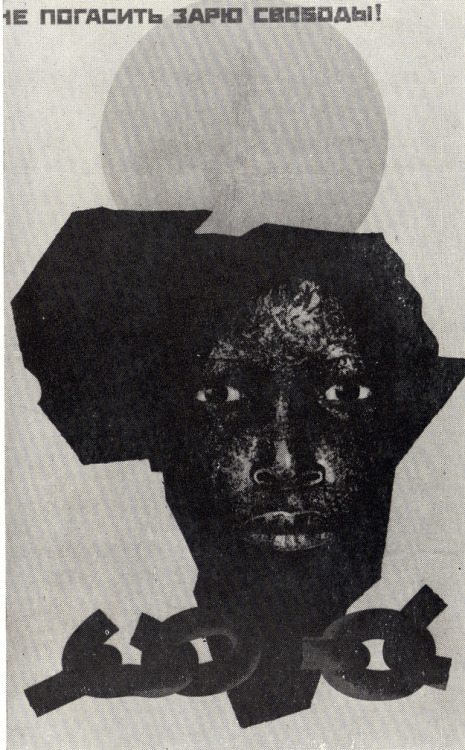
This piece will broadly shed light upon two different histories and timelines that are so distinct yet so perfectly aligned in terms of their inherent conclusiveness. In other words, it will try to highlight the unparalleled sense of similarity between the anti-narratives of Dada Amer Haider Khan’s struggles and Sukarno Bandung’s sense of expression. In other words, it talks about the inherent similarity between the struggle of freedom from both capitalism and imperialism. In other words, it talks about the idea of ‘nations or people gaining consciousness’ and subsequently internalizing, in Dada’s words, a ‘break with the old world.’
I have tried to pen the following thoughts not on the basis of any prejudices or prior knowledge, but just through the mere construction of thoughts that have infatuated my thinking as I have read both the texts one after the other. Hence, it would be safe to say that after reading Dada’s pleasing description of his time in the hospitable, socially inclusive and collectivized USSR and the pain in Bandung’s speech against the struggles of colonization and imperialism, I can gladly express my thoughts as a compliment to the principles communism upholds in terms of treating a man of color.
The most prominent example of this escape from the western white man’s tyranny, in terms of the social and normative values they so proudly exemplify, is highlighted in a brief two pages in Dada’s excerpts. Dada rather regrettably talks about the idea of individualism or individual survival in American society and how such norms and values corrupt the society by inculcating a sense of ‘other.’ He talks about the assumed western superiority on the basis of their skin color and their religion, and how in essence, this unwarranted sense of pride is contradictory to their own set of beliefs. He gives the example of how the American declaration of independence states that ‘God has created all men free and equal’ yet, they assume the messianic role of civilizing the colored and ‘uncivilized creatures.’ This he believes is ‘nothing but a shameless hypocrisy.’ In other words, he explains how compromised, repressive, discriminatory and full of shit the life of a colored man is in the ‘civilized’ western world.
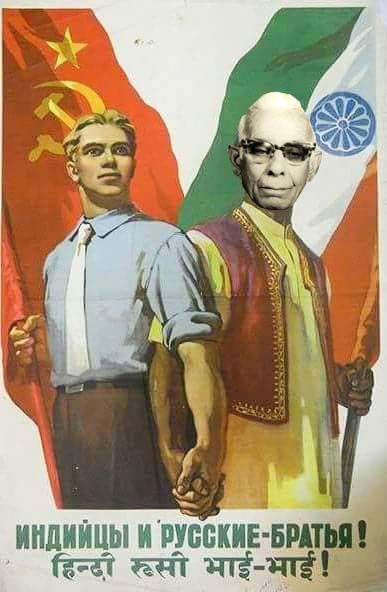
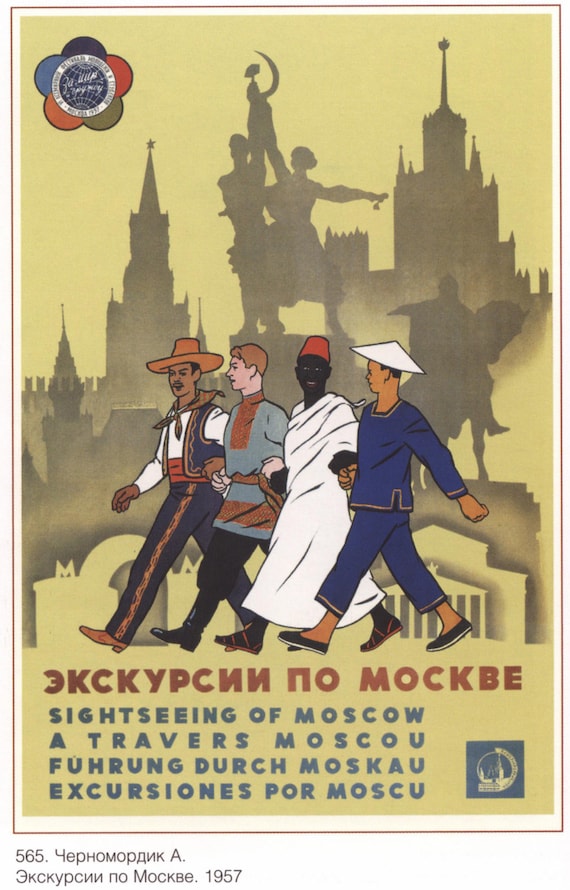
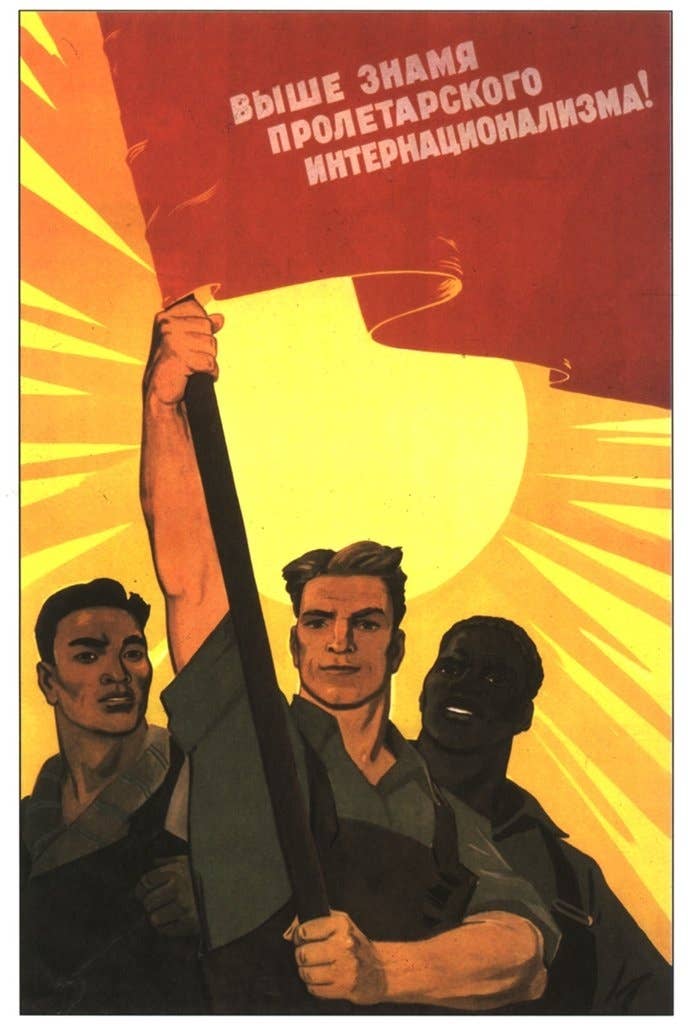
On the contrary, after reading up on Dada’s experiences and his description of his short journey in the USSR, I can easily discern that such a life exemplifies itself as a counter-narrative to the tyrannical life of the West. Dada explains the inclusiveness and collectivity in the communist society and how it transposes the validity of a human being from judged on the measures of fairness of skin and material value to being judged on the measures of ethics, inclusiveness, and morality.
After reading Dada’s excerpts, in context, Sukarno Bandung’s speech quite simply comes off to me as the speech of a communist leader who has successfully escaped the tyranny of capitalism. In that, he talks about the very errors that typically exist in a capitalist society that communism expells. Bandung in his speech expresses the elements of imperialism that had so profoundly corrupted the colonized world and its normative values.
In other words, at that point in time, the decolonized countries had finally gained a sense of self, a sense of identity, a sense of freedom. These people had finally started to understand the definition of living in a free society. Hence, through his speech, Bandung lays down the generalized principles of how to live in such a newly found free society.
Freedom from capitalism in the context of one and freedom from Imperialism in the context of the other hence, at least theoretically, tries to expound what it is like to live in “a classless society in which there would be no exploitation of man by man.”


.jpg)










 Decoloniality and Decolonization